What to Do if Your Dog Doesn’t Cooperate in Training
Frustrated because your dog just won’t listen during training? You’re not alone.
Training can be a challenge—especially when your dog seems distracted, uninterested, or simply refuses to cooperate. But the good news? There are ways to turn those training roadblocks into stepping stones for success.
This guide will walk you through how to understand your dog’s resistance, improve your methods, and create an environment where both you and your dog can thrive. Whether you’re a seasoned trainer or just getting started with your puppy, these tips will help build trust, attention, and lasting results.
Understand the Root Causes
Before making changes to your training techniques, it’s important to figure out why your dog is resisting. Understanding the cause helps shape an effective plan that leads to real behavior change. Sometimes resistance stems from fear, past negative experiences, or a simple lack of clarity in communication.
By observing your dog’s body language and noting when the resistance occurs, you can begin to uncover patterns. This insight not only helps you adapt your training but also builds a stronger, more trusting bond between you and your dog..
Understand Why Your Dog Resists Training
When a dog refuses to cooperate during training, it often has to do with stress, fear, lack of motivation, or confusion. Dogs communicate primarily through body language, and it’s up to us to learn their signals.
A dog might ignore a command even while on a leash or wearing a collar simply because they’re distracted, uncomfortable, or unsure. Identifying these barriers early on is key to successful dog training.
Spot Behavioral Issues
Behavioral issues like aggression, fear, or overexcitement can make learning difficult. Whether you’re dealing with a puppy or a herding dog, consistency in language and approach matters.
Here are common behavior blockers:
| Behavior Challenge | Description |
|---|---|
| Distraction | Reacting to sounds, birds, people, or other pets |
| Fear or Anxiety | Hesitation due to past punishment or trauma |
| Aggression | Reactivity caused by frustration or stress |
| Overexcitement | Lack of impulse control in high-energy dogs |
Certified dog trainers observe behavior patterns over time to tailor training programs that are specific to the dog’s needs. This behavior modification helps ensure progress is steady and stress-free.
Check for Health Problems
Sometimes what looks like a training issue is actually a health issue. If your dog suddenly stops responding to commands, it may be due to discomfort or pain. Conditions like joint pain, ear infections, or digestive issues can make your dog less willing to participate.
Always consult your vet if there’s a sudden change in behavior. Addressing the root cause can re-ignite your dog’s motivation and make housebreaking or socialization efforts more effective.
Consider Environmental Distractions
Distractions in the training environment—like loud noises, new smells, or other animals—can make learning difficult. Even confident dogs can struggle in overstimulating surroundings.
Trainers often recommend starting in a quiet, controlled space and gradually increasing distractions as your dog gains confidence. This is especially true in board and train programs or dog training classes.
Reflect on Past Experiences
A dog’s behavior is shaped by its past experiences. Dogs who were punished harshly in the past may be hesitant, fearful, or even shut down during training. Understanding this history allows trainers to approach with patience and build trust through clear, consistent communication.
Improve Your Training Methods
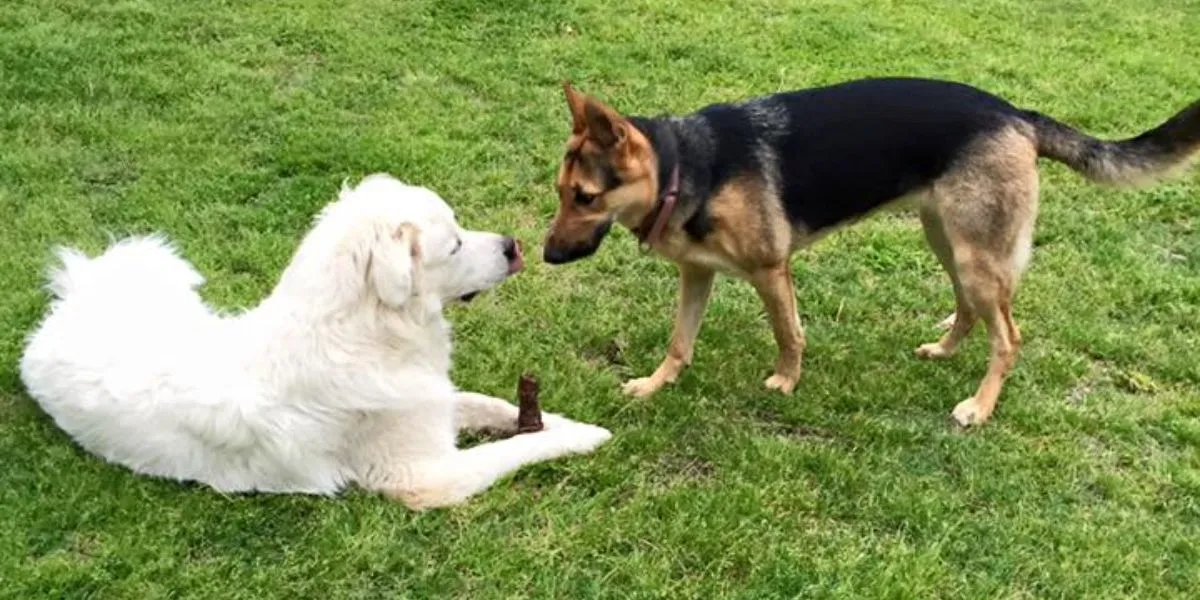
Once you understand why your dog is resisting, it’s time to adjust your training approach. Simple changes in timing, tone, or motivation can transform a frustrating session into a successful one. This could mean using a gentler voice, switching to a more engaging reward system, or shortening the length of your sessions. Remember, dogs thrive on consistency and clarity.
Take the time to observe what techniques your dog responds to best and be flexible enough to change strategies when necessary. With patience and the right adjustments, you’ll find your dog more eager and willing to engage in training.
Review Your Training Methods
Your current approach might be sending mixed signals. Ask yourself:
- Are you rewarding the right behaviors?
- Are you consistent with commands?
- Are sessions too long or too repetitive?
An experienced dog trainer will often tweak techniques based on energy levels and the dog’s responsiveness. Like watching a bird react to its surroundings, dogs respond best to calm, clear guidance.
Adjust Your Approach
Every dog learns differently. Some need more structure; others need more flexibility. Try modifying your commands and expectations using these ideas:
| Strategy | Result |
|---|---|
| Clear, consistent cues | Improved communication |
| Reward-based feedback | Increased motivation |
| Shorter sessions | Better attention span |
| Slower progression | Reduced stress and anxiety |
Use Positive Reinforcement
Positive reinforcement is a cornerstone of successful dog training. Rewarding your dog with treats, toys, or praise when they perform a desired behavior builds a strong connection between action and reward. This not only increases cooperation but also builds confidence.
Avoid punishment, which can lead to fear or aggression. Instead, focus on reinforcing behaviors you want to see more of. Positive experiences lead to better engagement in training and long-term behavior change.
Break Down Commands
Simplify your requests. If “come” or “heel” feels overwhelming, break the task into smaller steps. Start by rewarding your dog for even small approximations of the behavior, then gradually build up.
Clear, incremental progress helps avoid confusion and creates a positive learning experience.
Try Stimulating Training Aids
Training tools like treat-dispensing toys, clickers, or food puzzles can capture your dog’s attention and make learning more interactive. These tools are especially helpful for high-energy dogs or puppies.
Use aids that match your dog’s energy and interests. For example:
- Food-driven dogs: Use treat dispensers.
- Play-driven dogs: Use tug toys.
- Visual learners: Use hand signals or targets.
Set Realistic Goals
Expecting instant results can be discouraging. Set achievable goals tailored to your dog’s breed, age, and past experience. Celebrate small wins—they build the foundation for long-term success.
Goal-setting also helps keep training sessions focused and motivating for both you and your dog.
Stick to a Consistent Schedule
Routine builds trust and supports learning. Dogs thrive on predictability, and a consistent training schedule keeps your goals on track.
Use a simple weekly training plan like this:
| Day | Focus Area |
|---|---|
| Monday | Basic Commands |
| Wednesday | Socialization |
| Friday | Problem Behaviors |
Optimize the Training Environment
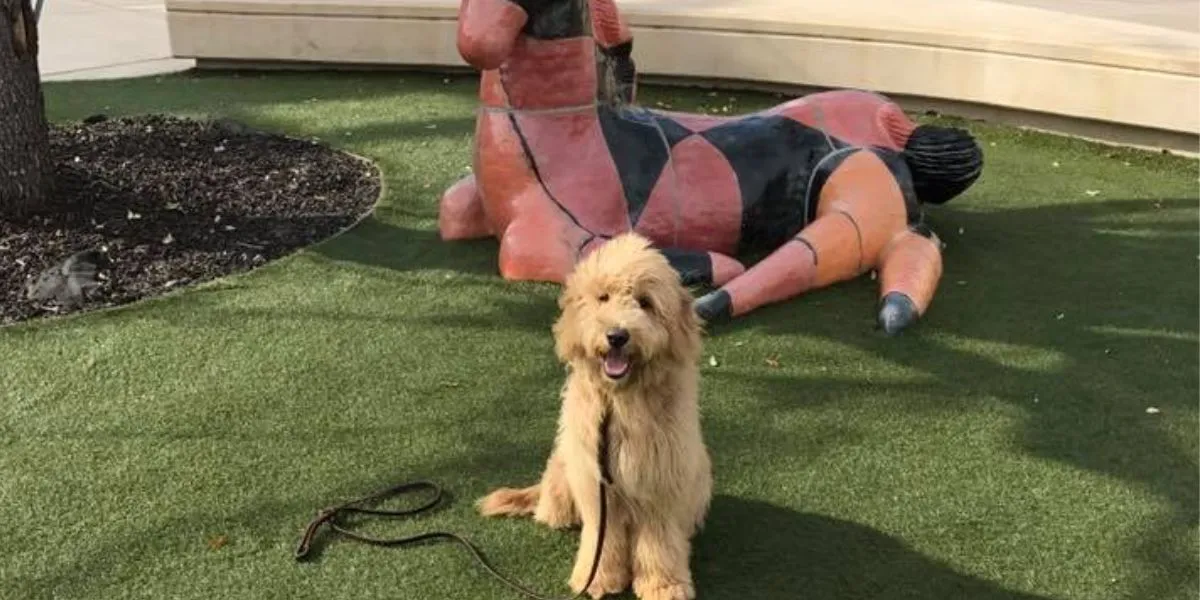
Where you train matters just as much as how you train. A calm, supportive environment sets your dog up for success and encourages learning. Just like people, dogs are more responsive when they feel safe and comfortable in their surroundings.
The fewer distractions and stressors present, the easier it becomes for your dog to focus and absorb new information. Choosing the right environment can make the difference between a productive session and one filled with frustration. It’s not just about teaching commands—it’s about creating a space where your dog feels secure, confident, and ready to learn.
Create a Comfortable Environment
Choose a quiet, familiar spot for training. Include items that your dog already knows, like:
- Their favorite blanket or bed
- Familiar toys
- A favorite chew or bone
These familiar items provide comfort and help reduce any anxiety that might interfere with their ability to focus. Ensuring your dog is in a space they associate with relaxation will make them more willing to engage in training and help them remain calm and focused during the session.
By creating a positive and secure environment, you increase the likelihood that your dog will connect training time with pleasant experiences, furthering their learning and success.
Eliminate Distractions
Limit outside noise, remove unnecessary objects, and avoid interruptions. Dogs are more likely to engage in learning when they feel safe and secure.
A distraction-free space makes it easier to communicate clearly and maintain your dog’s attention during training sessions.
Choose the Right Training Space
Use the same location consistently so your dog associates it with training. Whether it’s a corner of your living room or a backyard setup, consistency creates routine.
Avoid switching locations too frequently until your dog is confident with basic commands. Then, gradually introduce new environments for generalization.
Keep Sessions Short and Fun
Dogs learn best when they’re having fun. Keep sessions under 10-15 minutes and end on a high note with a game, praise, or favorite treat.
Short, enjoyable sessions create positive associations and increase your dog’s willingness to participate.
Ensure Your Dog Feels Safe
Trust is key. Avoid overwhelming your dog with too many new experiences at once. Use gentle handling, calm voice tones, and positive reinforcement to make training a stress-free experience.
A dog that feels safe will be more open to learning, change, and connection with their trainer or owner.
Whether you’re attending dog training classes, working with a certified dog trainer, or starting a board and train program, understanding your dog’s needs is essential to progress. Use these insights to improve communication, reduce stress, and guide your dog toward better behavior.
Every dog has the potential to learn—it just takes the right tools, timing, and trainer. Let every session be a step toward trust, motivation, and long-term success.