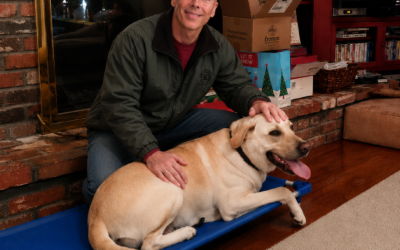
Picture the incredible progress your dog can make with focused, one-on-one training right in your own home. Imagine the boost in your confidence as a dog owner, too. Private in-home dog training offers a personalized approach, custom-tailored exercises, clear progress tracking, and results that truly last.
This guide walks you through everything you need to know: how the process unfolds from your initial chat to the evaluation, why your active involvement is key to success, the advantages of training in your dog’s familiar environment, common behavior challenges we can address, and what to expect when it comes to cost, session length, and preparation. Each part is designed to empower you as a responsible dog owner right here in Texas.
What’s the Game Plan for a Private In-Home Dog Training Session?
A private in-home session is essentially a personalized coaching experience. Your professional trainer will carefully observe your dog’s behavior, introduce step-by-step techniques, and set achievable goals that improve obedience while curbing unwanted habits. Because training happens in your home, every skill your dog learns applies directly to real-life situations they face every day.
How Do We Kick Things Off, and What Should You Have Ready?
Training starts with a thorough behavioral assessment to understand your dog’s current abilities and any challenges you’ve been facing. Together, you and your trainer will establish clear objectives that reflect your goals.
Before your first session, jot down any specific behaviors you’d like to address. Have your dog’s favorite treats or toys ready, and designate a calm, quiet space where training can take place. This preparation helps us focus, sets the right tone for the session, and ensures we observe your dog in a relaxed, natural way.
What Steps and Training Tactics Are Typically Used?
Your trainer will demonstrate key commands and use rewards to reinforce positive actions, making the learning process engaging and enjoyable. Common strategies include:
- Positive Reinforcement – Rewarding actions like sitting, staying, and polite leash walking to encourage repetition.
- Clicker Training – Using a consistent sound marker to help your dog link desired behaviors with rewards.
- Impulse Control Exercises – Teaching commands like wait and leave it to reduce overexcitement and prevent unwanted behaviors.
- Crate Training Support – Helping your dog view their crate as a safe, calm space that promotes structure and security.
These tactics are layered gradually, moving from foundational commands to real-world practice so you can confidently reinforce skills between sessions.
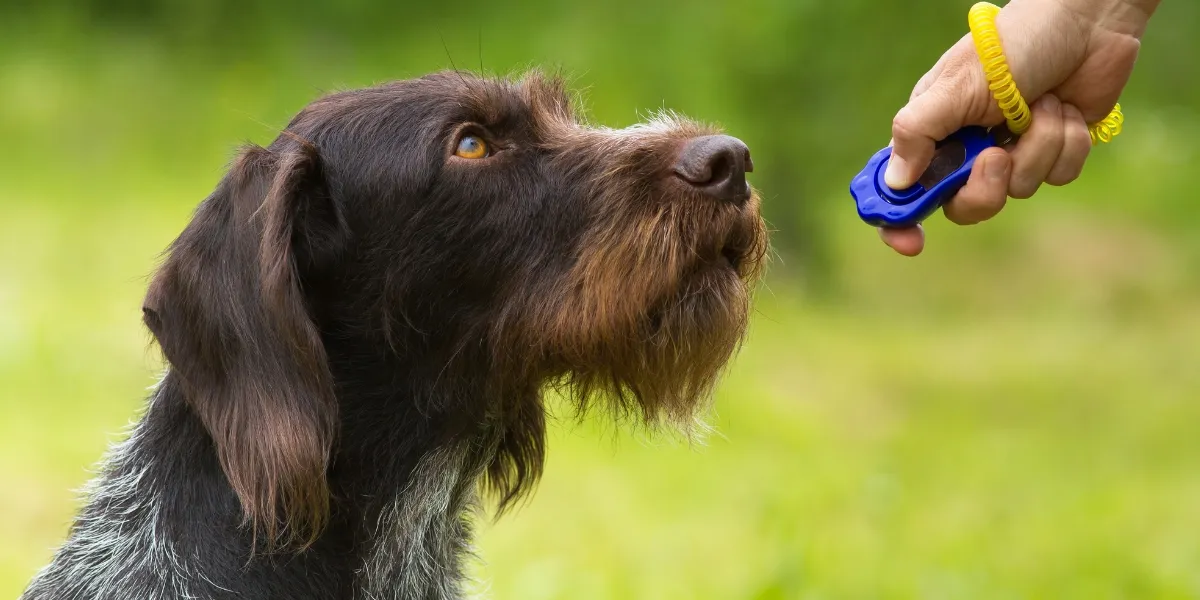
The Power of Positive Reinforcement: Why It Works
Research has shown that positive reinforcement is one of the most effective ways to shape reliable, lasting behavior. By rewarding good choices, dogs learn not only what we want them to do but also build confidence in the process. Puppy training is an essential part of this process.
At Redeeming Dogs, this philosophy is at the core of our training. We’ve seen time and again how reward-based training creates calmer, happier dogs and strengthens the trust between owner and pet.
How Do We Track Your Dog’s Progress?
Progress isn’t measured just by how quickly your dog learns commands but also by how much unwanted behaviors decrease over time. Trainers keep detailed notes during each session and provide summaries so you can clearly see improvements week by week. This structured tracking allows us to adjust exercises as needed and gives you confidence that the training is moving forward.
How Does Your Involvement Make the Difference?
Your involvement is the single most important factor in your dog’s success. When owners practice daily exercises, use consistent cues, and provide feedback, progress happens much faster. It also strengthens the bond between you and your dog because your communication becomes clearer and more rewarding for both of you.
The Power of Positive Reinforcement: A Look at Training Methods – A 2020 study explored how different dog training approaches, including those using remote electronic collars versus those focusing exclusively on positive reinforcement, stack up.
What Are the Big Wins of One-on-One Dog Training at Home?
In-home training provides benefits group classes simply can’t match. Here’s a quick comparison:
This side-by-side view makes it clear why many Texas families prefer private sessions—they’re practical, personal, and produce faster, more reliable results.
What Common Behavior Challenges Can Private Training Address?
In-home sessions are excellent for tackling everyday issues such as:
- Puppy Socialization and Manners – Introducing positive experiences and teaching early commands.
- Leash Manners – Training your dog to walk calmly without pulling.
- Excessive Barking – Redirecting noisy habits with consistent cues and rewards.
- Housebreaking – Establishing crate and schedule routines that speed up potty training.
- Mild Reactivity – Guiding dogs through focus-building exercises to stay calm around distractions.
Because training is customized, your trainer can adjust techniques to fit your dog’s unique temperament and learning pace.
What Do You Need to Know About Cost, Duration, and Preparation?
Most private sessions last 60 to 90 minutes, giving enough time for demonstrations, hands-on coaching, and practice without overwhelming your dog.
Pricing depends on session length, number of sessions in a package, and travel distance for your trainer. Complex behavior issues may require additional planning and time. Packages are often the best value, as they provide continuity and consistent follow-up.
To prepare, clear a quiet space in your home, have your dog’s favorite treats ready, and share any recent observations with your trainer. This preparation maximizes productivity and ensures safety during training.
Ready to See the Transformation?
Private in-home training is one of the most effective ways to bring out the best in your dog. By combining expert guidance, your active involvement, and training in your dog’s natural environment, you’ll see lasting changes in obedience, behavior, and confidence.
If you’re in the Dallas–Fort Worth area and ready to experience the difference, reach out to Redeeming Dogs today. Together, we’ll create a calmer, happier home and a stronger bond between you and your dog.
Dallas Pet Laws & Leash Requirements – Under Dallas City Code Section 7-3.1, an owner commits an offense if they fail to restrain their animal in a fenced yard, pen, or by leash/tether while in public, and no animal may be restrained unless accompanied by its owner.