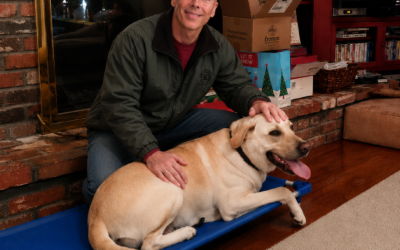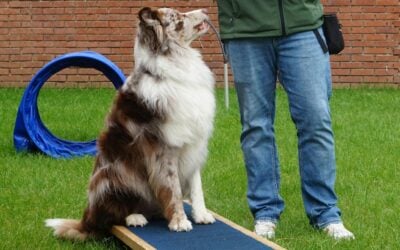
When it comes to training a rescued puppy, the first priority is building trust. Many rescue pups arrive in their new homes with past experiences that may cause fear, anxiety, or reactivity—making consistency and patience essential. It’s common to encounter challenges like housebreaking setbacks, sensitivity to touch, or leash-related issues that stem from a lack of early socialization or traumatic events.
Positive reinforcement, clear communication, and a calm environment go a long way in helping these puppies feel safe and secure. At Redeeming Dogs, our specialized training programs are designed to meet rescued puppies where they are—helping them gain confidence, develop manners, and become happy, balanced companions.
How Do You Start Training a Rescued Puppy for a Strong Human-Animal Bond?
Training a rescued puppy for a strong human–animal bond involves creating predictable routines, safe environments, and nurturing interactions that reduce stress and encourage willingness to learn basic commands. A structured approach to bonding lays the groundwork for advanced obedience and emotional resilience.
What Are the First Steps to Build Trust with a Rescued Puppy?
Building trust begins by providing consistent routines, using calm body language, and offering gentle positive interactions.
- Greet calmly at the puppy’s level without looming over them.
- Establish feeding and potty schedules at fixed times daily.
- Use a soft tone and slow movements to signal safety.
These initial trust-building steps pave the way toward more complex training exercises and deeper emotional connection. If you want to understand more about building trust and bond with your rescued dog, Redeeming Dogs is here to provide tips, guidance and support. Just give us a call!
American Society for the Prevention of Cruelty to Animals (ASPCA), “Bringing Home a New Dog”
This supports the article’s emphasis on creating a safe and predictable environment for a new puppy.
The Role of Gentle Handling in Behavior Improvement
Gentle handling reduces fear responses by reinforcing safety signals, which increases puppy confidence and willingness to follow cues. For more tips, visit free new puppy advice.
- Offer brief play sessions with low-arousal toys to associate play with positive human presence.
- Practice touch desensitization by gently stroking paws, ears, and flanks.
- Reward submissive and calm postures immediately with treats or praise.
By reinforcing calm behavior through gentle touch and reward, rescued puppies learn that humans provide comfort and guidance, leading into effective reinforcement methods.
Why Is Patience Crucial When Training a Rescued Puppy?
Patience allows rescued puppies time to process new environments and commands, reducing stress and reinforcing desired behaviors over time.
- Allow extra pauses for puppies to explore new objects before expecting compliance.
- Repeat cues in short, clear sessions rather than lengthy drills.
- Celebrate small progress rather than fixating on mistakes.
By pacing training to match a puppy’s emotional readiness, each success builds momentum toward more advanced skills.
What Are the Most Effective Positive Reinforcement Techniques for Rescued Puppy Training?
Positive reinforcement training rewards desired actions with treats, praise, or clicker signals, strengthening neural pathways associated with obedience and boosting confidence in rescue puppies.
Positive Reinforcement in Puppy Training
Positive reinforcement techniques, such as rewarding desired behaviors with treats or praise, are highly effective in modifying a puppy’s behavior. This approach strengthens the bond between the puppy and the owner while encouraging the puppy to repeat the desired actions.
Karen Pryor, “Don’t Shoot the Dog!” (2002)
This citation reinforces the article’s discussion of positive reinforcement methods.
Clicker Training for Accelerated Learning
Clicker training marks the precise moment a puppy performs a correct behavior, which accelerates learning by linking action with reward.
- Introduce the clicker by clicking and immediately feeding a treat.
- Use the click to mark “sit,” “down,” and “come” as the puppy offers each behavior.
- Fade treats gradually by averaging every second or third click.
By pairing the auditory marker with treats, puppies rapidly associate commands with predictable outcomes and move on to real-world practice.
Strategic Use of Treats and Praise
Treat rewards and enthusiastic praise reinforce neural pathways for correct behaviors, making commands more appealing than distractions.
- Select high-value treats the puppy finds irresistible.
- Pair verbal praise with physical petting to engage multiple senses.
- Transition from food to life rewards like play or affection over time.
Combining edible and social rewards ensures sustained motivation and reduces reliance on treats alone.

How Can Socialization Strategies Improve Behavior in Rescued Puppies?
Socialization helps rescued puppies adapt by gradually exposing them to new people, animals, and environments. This reduces fear, encourages confidence, and builds essential life skills.
Controlled Introductions By introducing one new person, dog, or object at a time in a calm, structured way, puppies learn to feel safe and curious. Rewarding calm curiosity reinforces trust and prevents overwhelming experiences.
Puppy Classes for Social Skills Structured classes allow puppies to practice polite greetings, bite inhibition, and leash manners. Supervised play helps them learn boundaries and social cues, accelerating emotional maturity.
Best Practices for Exposure Varying textures, sounds, and objects in a slow, positive manner builds resilience. Use treats and praise to reinforce calm behavior as puppies explore new experiences.
Through thoughtful exposure and group learning, rescue puppies gain the confidence needed to thrive in everyday life.
How Do You Address Common Behavioral Challenges in Rescued Puppies?
Rescue puppies may struggle with challenges like separation anxiety, fear, nipping, or resource guarding—but these behaviors can be transformed with consistency and the right techniques. Teaching self-soothing through short absences, enriching toys, and calm departures can ease separation anxiety. Fearful pups benefit from desensitization and counterconditioning—gradually pairing low-level triggers with rewards to build confidence.
For common issues like nipping or barking, redirecting to toys or reinforcing silence after a “quiet” cue can quickly shift behavior. Resource guarding improves with trade-up games, building trust around food and toys.
Talking to a professional dog trainer—like the experienced team at Redeeming Dogs—can be a game-changer, especially when you’re unsure how to proceed. Their customized plans help you and your pup overcome setbacks with clarity and compassion.
Why Is Crate and House Training Essential for Rescued Puppies?
Crate and house training establish clear boundaries and safe spaces, reducing accidents and anxiety while teaching bladder control and secure confinement.
How Do You Set Up a Crate to Create a Safe Space?
Setting up a crate with familiar bedding, safe toys, and positive associations encourages puppies to view it as a den rather than confinement.
- Place the crate in a quiet, central area of the home.
- Feed meals inside the crate to build positive context.
- Leave the door open initially, closing it for short intervals with treats.
A well-introduced crate becomes a refuge for rest and calm, supporting emotional stability.
What Is the Best Potty Training Schedule for Rescue Puppies?
A consistent potty schedule aligned with feeding and sleep cycles accelerates bladder control and minimizes accidents.
How Should Accidents Be Managed During Training?
Accidents should be met with neutral cleanup and immediate redirection, preventing stress and reinforcing correct behavior.
- Interrupt without scolding and carry puppy outdoors.
- Praise successful elimination in the designated area.
- Use enzymatic cleaners to remove odor traces.
Neutral responses to accidents maintain confidence and focus on rewarding desired actions.
How Does Leash Training Enhance Outdoor Safety for Adopted Puppies?
Leash training teaches puppies to walk calmly by your side, reducing injury risk, minimizing reactive behaviors, and ensuring safe outings.
Introducing the Leash Gradually
Introducing a leash begins with acclimating the puppy to wearing a collar or harness, then adding light leash pressure paired with treats.
- Let puppy wear the collar indoors for short sessions.
- Clip the leash on and allow free dragging in a safe area.
- Pick up the leash and call puppy to you, rewarding approach.
Incremental leash exposure builds acceptance and readiness for guided walks.
Teaching Loose Leash Walking Skills
Teaching loose leash walking focuses on rewarding forward motion with slack rather than pulling, encouraging cooperation.
- Stop when the puppy pulls, then reward when slack returns.
- Change direction frequently, prompting focus on you.
- Use intermittent treats at hip level to guide position.
Reinforcing slack leads reduces tension and reactive lunges, promoting calmer exploration.
Public Safety Considerations
Safety tips ensure control and confidence during public outings, protecting puppies and bystanders.
- Keep the leash short in crowded areas to maintain proximity.
- Use a front-clip harness to discourage pulling without discomfort.
- Carry water and portable bowl to prevent heat stress in South Florida climates.
Practicing these precautions fosters positive community interactions and puppy well-being.
How Can Puppy Training Programs from Redeeming Dogs Help Rescued Puppies and Their Owners?
Rescued puppies often need extra support to build trust, confidence, and basic skills. Puppy training programs from Redeeming Dogs are designed with this in mind—offering structure, expert guidance, and personalized support to help both dog and owner thrive.
These programs include weekly group sessions focused on obedience, socialization, and behavior challenges, all tailored to each puppy’s background. Redeeming Dogs trainers specialize in trauma-informed methods, using gentle desensitization and positive reinforcement to build emotional resilience and trust. With customized plans and ongoing access to professional support, owners gain confidence while their puppies develop into well-adjusted, happy companions.