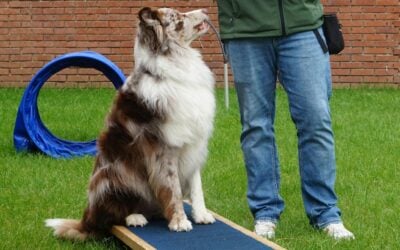
Understanding Positive Reinforcement in Dog Training
Positive reinforcement is one of the most effective and humane ways to train dogs. It encourages desirable behaviors by rewarding them, helping dogs develop confidence, trust, and a solid bond with their humans.
At Redeeming Dogs, we rely on this evidence-based method to guide dogs through behavior changes without relying on outdated tools like the shock collar or harsh corrections. Whether your dog is just starting their training journey or has shown signs of fear, reactivity, or anxiety, this approach offers a pathway to lasting results through encouragement and clarity.
What Is Positive Reinforcement and How Does It Work?
In dog psychology, positive reinforcement is part of operant conditioning—adding a reward after a behavior to increase the likelihood of that behavior happening again. For example, if a dog sits and is immediately rewarded with a treat or praise, they associate sitting with a positive outcome and are more likely to repeat it.
This method, grounded in applied behavior analysis, works because it focuses on reinforcing what you want rather than punishing what you don’t. It reduces stress, supports mental health, and fosters better communication between the dog and the person doing the training.
How Rewards Are Used to Shape Behavior
Using rewards to shape behavior involves reinforcing incremental steps toward a larger goal. For instance, a dog learning to walk politely on leash might first be rewarded for not pulling, then for checking in with their handler, and eventually for walking calmly past distractions.
This gradual process builds clarity and confidence. Dogs learn what earns them rewards, and the training becomes a form of communication—encouraging focus, reducing anxiety, and promoting better behavior without pressure.
Common Types of Positive Reinforcement Rewards
Every dog has different motivators. Identifying what truly excites or satisfies your dog is key to building a strong reward system.
| Type of Reward | Examples | Best For |
|---|---|---|
| Food/Treats | Soft bites, meat-based snacks | High-stress or high-distraction situations |
| Toys/Play | Tug ropes, balls, squeakers | High-energy dogs, building engagement |
| Praise | Verbal affirmations, petting | Dogs that crave human connection |
| Life Rewards | Leash walks, open doors, car rides | Building manners and lifestyle skills |
Matching the reward to the situation and the individual dog increases the impact of your training.
Benefits of Using Positive Reinforcement
Reward-based training offers a low-risk, high-reward way to shape behavior. It builds lasting habits by tapping into your dog’s natural desire to succeed and please.
Key Benefits of Positive Reinforcement in Dog Training
- Strengthens the relationship between dog and human
- Reduces fear, anxiety, and aggressive responses
- Encourages confidence and calm behavior
- Supports long-term behavior change
- Promotes a healthy, low-stress learning environment
At Redeeming Dogs, we’ve helped thousands of dogs find balance through these principles. Our clients report better behavior, improved communication, and happier dogs overall.
How It Improves Motivation and Learning Outcomes
When training is rewarding, dogs stay engaged and eager to participate. Positive reinforcement builds resilience and focus, especially in distracting or stressful environments.
This is especially valuable in places like Dallas, where dogs often encounter new people, pets, and urban noise. Reward-based methods help dogs stay grounded and responsive in the face of daily stimulation.
Building Stronger Trainer-Trainee Relationships
Trust is everything in dog training. When your dog knows that working with you leads to positive outcomes, they are more likely to try, focus, and enjoy the process.
This deepens the bond between dog and owner, especially when training is based on communication, encouragement, and praise—not fear or punishment. As one of the top behaviorists in Dallas, Redeeming Dogs focuses on cultivating relationships built on mutual respect and understanding.
Reducing Stress and Increasing Engagement
Dogs that feel safe are more willing to learn. Positive reinforcement reduces the emotional pressure dogs might feel during training and instead encourages curiosity and confidence.
Over time, this leads to better behavior both at home and in public—reducing reactivity, improving leash manners, and promoting healthy social skills.
Positive Reinforcement in Dog Training Applications
Positive reinforcement is especially effective in dog training. It’s backed by psychology, supported by science, and proven in real-world practice. At Redeeming Dogs, we use this method to address behavior problems, build new skills, and support both puppies and adult dogs through major milestones.
Effective Strategies for Dog Training
- Keep sessions short and engaging to avoid mental fatigue
- Reinforce calm behaviors like sitting and waiting
- Vary rewards to maintain interest and prevent boredom
- Use immediate feedback for maximum clarity
These strategies are at the core of dog training in Dallas, where fast-paced environments require clear communication between dogs and their people.
Specialized Dog Training Approaches
Our Dallas dog behavior training includes:
- Early puppy training and socialization
- Behavior modification for reactivity or fear
- Support for dogs with aggression or anxiety
- Advanced off-leash obedience
We tailor every plan to meet your dog’s individual needs, using praise, play, and positive reinforcement to promote real change.
Practical Tools and Techniques for Dog Training
You don’t need fancy equipment to be successful—just timing, consistency, and an understanding of your dog’s motivations. A leash, a clicker, a few favorite treats, and your voice are powerful tools.
Using Clicker Training with Positive Reinforcement
A clicker helps clearly mark the exact behavior you want to reward. When paired with a treat or praise, it speeds up learning and improves precision.
Dogs quickly learn that the click means success, which boosts confidence and makes training more efficient.
What Is Shaping and How It Teaches New Behaviors
Shaping breaks complex tasks into manageable steps. It rewards progress at each stage, helping dogs learn without becoming overwhelmed.
This is especially useful in advanced training or when addressing fear-based behaviors, where slow, steady progress builds trust.
How to Use Praise and Rewards Effectively
- Reward the behavior immediately
- Choose rewards your dog truly values
- Match the reward to the difficulty of the task
| Praise vs. Tangible Rewards | When to Use |
|---|---|
| Praise Only | Calm settings, known behaviors |
| Praise + Treat | Learning new skills, stressful situations |
| Praise + Toy | Physical engagement, motivation boost |
| Praise + Life Reward | Everyday manners, reinforcement at home |
Common Mistakes to Avoid in Positive Reinforcement
Even with the best intentions, mistakes happen. Recognizing them early helps prevent setbacks and builds better habits.
Mistakes to Avoid with Positive Reinforcement
- Inconsistent timing of rewards
- Reinforcing the wrong behavior by accident
- Overusing rewards without phasing them out
Knowing what to avoid ensures that your training remains productive and clear for your dog.
The Importance of Timing in Reward Delivery
Timing is critical. A reward that comes too late won’t help your dog connect the dots. Immediate feedback teaches faster and builds stronger habits.
Using verbal markers or clickers helps bridge the gap between behavior and reward.
How Inconsistent Rewards Undermine Training
If your reward delivery is unpredictable, your dog may become confused or anxious. A steady reward system builds trust and predictability, essential for behavior management.
Avoiding Overuse of Rewards in Training
While rewards are essential early on, you’ll want to fade them over time. Reinforcing only the best efforts and using praise strategically helps your dog work for internal motivation—not just treats.
Tools and Resources for Continued Success
Dog training is a journey, and success comes from having the right tools, mindset, and community behind you. At Redeeming Dogs, we equip pet parents with education, guidance, and long-term support to help their dogs thrive.
Online Courses and Educational Guides
From classical conditioning to real-life behavior case studies, there are countless resources available to deepen your understanding of dog behavior and positive reinforcement methods.
Checklists and Templates for Daily Training
Planning matters. Using structured checklists helps track progress, organize sessions, and ensure consistency in your training routine.
A well-managed reward system also supports better learning outcomes and less stress.
Building a Supportive Training Community
Surrounding yourself with other dog owners, trainers, or behaviorists builds confidence and connection. Shared learning and accountability help keep training on track.
Redeeming Dogs offers local and virtual community support to guide you through every stage of your training journey.
Positive reinforcement isn’t just a method—it’s a philosophy. It builds a better bond, creates lasting behavior change, and gives dogs the structure and clarity they need to thrive. From anxious rescues to high-energy pups with no off switch, dogs of all types respond to reward-based strategies that tap into their natural desire to please and connect.
Redeeming Dogs is proud to be recognized as a trusted resource for anyone searching for a highly skilled dog behaviorist in Dallas. We offer practical, real-world training designed to improve your dog’s behavior without fear, pressure, or pain. If you’re seeking a behaviorist in Dallas who uses modern, effective, and compassionate methods, our team is here to guide you with personalized support. With decades of hands-on experience and a deep understanding of canine psychology, we’re here to help you every step of the way.