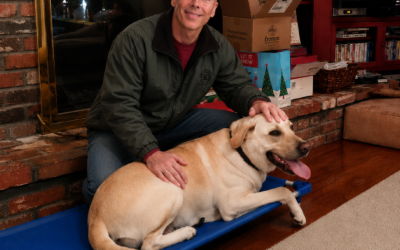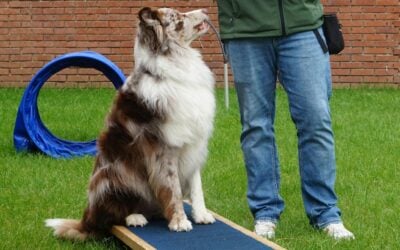
Local Private Dog Training for Behavior Solutions
Whether you’re raising an energetic Labrador Retriever, managing a reactive German Shepherd, or helping an anxious rescue dog feel safe, private dog trainer can be a game-changer. Unlike one-size-fits-all group classes, private sessions are tailored to your dog’s unique temperament, behavior history, and environment—giving you targeted solutions that actually work. From house manners to leash reactivity and everything in between, one-on-one training meets your dog where they are and helps you move forward with confidence.
If you’ve been searching for “private dog training near me” or need a trusted private dog trainer in Dallas, you’re in the right place. Here’s what to expect—and why it makes all the difference.
Benefits of Private Dog Training
Private training isn’t just convenient—it’s transformational. From addressing leash pulling to dog aggression and fear-based behaviors, private sessions provide a controlled setting tailored to your pet’s learning style and your goals.
Personalized Attention for Behavior Improvement
Each dog has a unique story. A private dog trainer takes time to evaluate your dog’s behavior, temperament, and history—something that’s rarely possible in a busy group setting. This one-on-one evaluation helps uncover specific triggers, learning preferences, and environmental influences that may be shaping your dog’s behavior.
With this information, the trainer can develop a personalized plan that aligns with your dog’s natural instincts and personality. This deeper understanding allows the trainer to adjust their methods in real time, whether your dog needs a slower pace, more encouragement, or specific confidence-building exercises. It’s this personalized attention that often leads to faster breakthroughs and more lasting results.
Targeted Solutions for Common Dog Behavior Problems
Private dog training sessions offer a tailored approach to address a wide range of behavioral issues that often feel overwhelming for pet owners. From minor nuisance behaviors to serious aggression or anxiety, these focused sessions allow trainers to evaluate the root cause of the behavior—be it fear, lack of structure, poor socialization, or an unmet instinctual need.
Common behaviors addressed in private sessions include excessive barking, leash reactivity, aggression toward people or other animals, jumping, chewing, separation anxiety, and house soiling. A professional dog trainer applies behavior modification techniques suited to your dog’s personality, past experience, and breed traits.
For example, a Golden Retriever with separation anxiety may benefit from crate training and scheduled departures, while a German Shepherd showing territorial aggression might require environmental management and structured impulse control exercises.
Additionally, private training is ideal for addressing challenges that can’t be effectively worked on in a group setting—such as dog bites, resource guarding, or fear of specific triggers like bikes or loud noises. Through consistent evaluation and reinforcement, your trainer helps transform these behaviors into calmer, more manageable responses that improve your pet’s quality of life and strengthen your bond. Private training can help solve issues like:
- Reactivity toward other dogs or people
- Excessive barking
- Leash aggression or pulling
- Jumping, mouthing, or dog bites
- Housebreaking challenges
Stronger Bond Between Dog and Owner
Private dog training is about more than just teaching commands—it’s about creating meaningful communication and mutual understanding between you and your dog. When training takes place in a calm, focused environment like your home, your dog feels safe and relaxed, allowing real connection and trust to grow. Each interaction, from leash handling to reinforcing a command, becomes an opportunity to build confidence in your relationship.
Consistent, positive reinforcement helps your dog view you as a trustworthy guide, not just someone giving random orders. This is especially important for rescue animals, dogs with a history of fear or aggression, and even puppies learning how to navigate a new world. Over time, your dog learns to look to you for direction, which not only improves obedience but also reduces stress and reactivity.
Whether you’re working on reducing dog aggression, housebreaking a puppy, or simply building reliable recall at the dog park, private training fosters a partnership rooted in clarity and respect. This bond makes every walk, play session, or training drill more enjoyable—for both of you. In-home dog training enhances your communication and builds mutual trust. As your dog learns better behaviors, your bond deepens.
Effective One-on-One Dog Training Sessions
Private, one-on-one dog training offers a focused, immersive environment free from the distractions often found in group settings. This is especially important when working with dogs who are reactive, fearful, or simply overwhelmed by busy environments such as a dog park. In these individual sessions, the trainer can give your dog their full attention—reading their body language, adjusting techniques on the spot, and ensuring that every cue and correction is clearly understood.
Dogs like Australian Shepherds, Golden Retrievers, and Labrador Retrievers thrive in this format because it allows their instincts and intelligence to be nurtured without being overstimulated. High-drive dogs, therapy dog candidates, or even future canine good citizen awardees benefit from this structured setting. It also helps build confidence and reduce anxiety in dogs that struggle with fear or uncertainty.
This approach is especially effective for pet parents dealing with behavioral issues that need to be addressed with sensitivity, such as aggression, leash frustration, or stress around strangers. With professional guidance and consistent reinforcement, your dog can progress faster, gain essential skills, and develop better behavior at home and in public spaces alike. One-on-one training eliminates distractions and helps your dog learn faster. It’s especially beneficial for high-drive breeds like Australian Shepherds or working animals like police dogs or therapy dogs.
How Private Dog Training Works
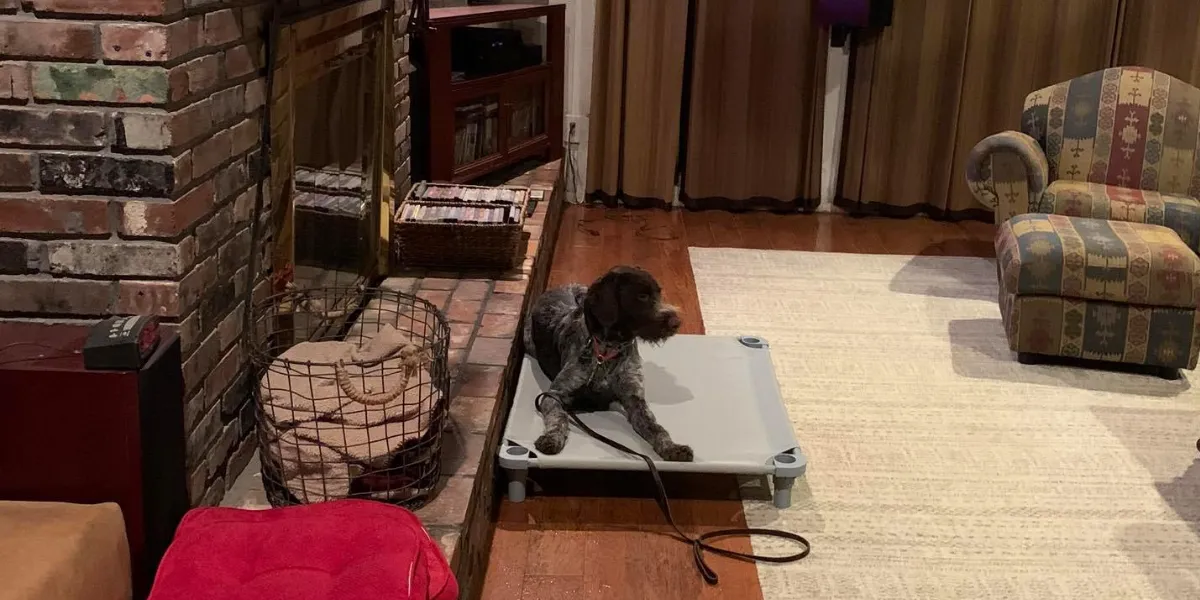
Understanding the structure of a training program makes it easier to commit. A professional dog trainer will guide you through realistic, progressive steps toward lasting behavioral change. Most private dog training programs begin with a thorough evaluation of your dog’s current behaviors, stress levels, and environment. From there, your trainer designs a step-by-step plan to address your dog’s most pressing issues while also setting goals for long-term success.
This process not only ensures that your dog is learning at the right pace, but also gives you the tools and confidence to reinforce training at home. Whether you’re addressing leash manners, aggression, or socialization, the structure keeps both you and your dog on track.
Customized Behavior Plans for Specific Issues
Your dog’s private training plan might include:
| Behavior Issue | Example Solution |
|---|---|
| Leash pulling | Loose-leash walking with reinforcement |
| Aggression | Behavior modification and evaluation |
| Separation anxiety | Crate training and desensitization |
| Housebreaking | Routine setting and praise techniques |
Building Consistency Through Repetition and Routine
Dogs thrive on routine. Repetition of positive behaviors helps solidify new skills and reduce stress. Establishing a daily rhythm that includes consistent commands, regular potty breaks, and predictable exercise times not only promotes learning but also builds your dog’s confidence. Just like people, dogs feel more secure when they know what to expect. When routines are disrupted, dogs may exhibit stress-related behaviors like barking, chewing, or pacing. A stable, repeatable structure reinforces expectations and sets your dog up for success inside and outside the home.
Using Positive Reinforcement to Shape Behavior
Treats, praise, and toys create motivation and confidence. These positive reinforcement tools tap into your dog’s natural instincts to seek rewards, making learning more enjoyable and effective. Whether you’re teaching a puppy basic obedience or helping an older dog unlearn unwanted behaviors, using consistent rewards strengthens the desired response. It’s also important to vary the rewards to maintain engagement—some dogs may prefer a tug toy over a treat, while others respond best to verbal praise or physical affection. Avoid outdated tools like a shock collar unless advised by a behaviorist for specific cases, as these can increase fear and damage the trust between you and your dog.
Tracking Progress and Adjusting Techniques as Needed
Progress isn’t always linear. A behaviorist or professional dog trainer will reassess and adjust techniques based on your dog’s responses and body language. Some days your dog may seem to master a skill, while on others, they might struggle with the same command. This fluctuation is normal and often influenced by factors like energy levels, environmental stressors, and even changes in routine or diet.
A skilled trainer observes these patterns and makes subtle adjustments to maintain forward momentum, whether that means simplifying a task temporarily or shifting reinforcement strategies. Flexibility in the training plan ensures your dog continues to progress at a pace that builds confidence rather than frustration.
Choosing the Right Dog Trainer
Not all dog trainers are the same. Some specialize in puppy training, while others focus on more advanced behavior modification for issues like dog aggression, anxiety, or leash reactivity. There are also trainers who prepare dogs for specialized roles such as therapy dogs, assistance dogs, or even police dogs. Many professional dog trainers hold certifications through reputable organizations like the American Kennel Club (AKC), and offer programs including Canine Good Citizen testing, crate training guidance, or private in-home training. The right match depends on your dog’s behavior challenges, training goals, and temperament.
How to Find the Best Dog Trainer Near You
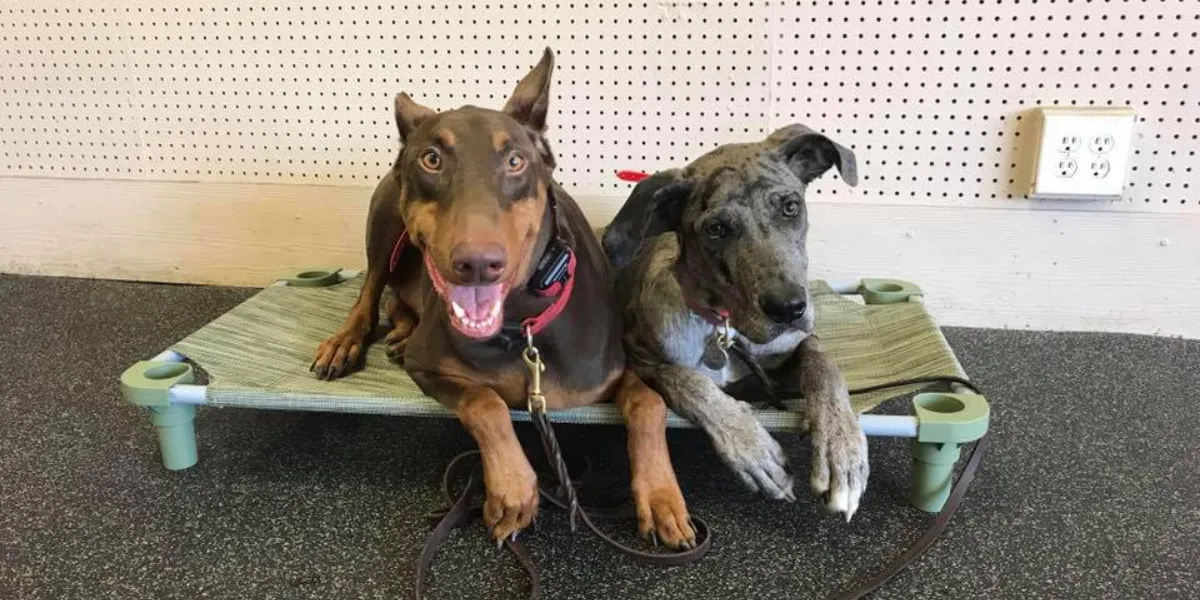
Start by searching for terms like “private dog trainer Dallas” or “in home dog training.” Look for trainers with positive reviews and experience in your dog’s specific challenges.
What to Look for in a Dog Behavior Specialist
- Background in animal behavior or animal training
- Experience with breed-specific tendencies (e.g., herding instinct in Australian Shepherds)
- Certifications or affiliations (like AKC or therapy dog organizations)
- Proven success with behavior modification, aggression cases, and fear-based issues
At Redeeming Dogs, the trainers bring decades of combined experience in canine behavior and training. They are certified in the E-Touch Method™, a humane approach that uses modern e-collar techniques to create calm, responsive dogs without fear or intimidation. Their training philosophy emphasizes relationship-based methods rooted in trust and respect.
Redeeming Dogs also limits the number of clients at any one time to ensure each dog receives individualized attention. With training done in a real home environment—not a kennel—your dog learns in a calm, everyday setting, helping build long-term reliability and better transfer of skills to your home life.
- Background in animal behavior or animal training
- Experience with breed-specific tendencies (e.g., herding instinct in Australian Shepherds)
- Certifications or affiliations (like AKC or therapy dog organizations)
Client Testimonials and Proven Success Stories
Ask for references or case studies. Did they help a Golden Retriever overcome fear? Or assist an assistance dog with leash skills? Redeeming Dogs, for example, provides clear results through client transformations and long-term behavior improvements. Their board and train program focuses on foundational obedience and off-leash control, and they work with a limited number of dogs at a time to ensure each case receives personal attention. Many of their success stories highlight how previously reactive or fearful dogs became confident, calm companions through structured training in a real home setting. Reading or asking for real-life results like these can give you insight into a trainer’s methods and success rate.
Matching Trainer Style to Your Dog’s Personality
A confident but calm demeanor may work for one dog, while another needs high energy and engagement. Trainer-dog compatibility matters. Some dogs, especially those recovering from trauma or fear-based behaviors, require a gentle and patient approach, while others thrive with a structured, energetic trainer who sets clear boundaries. It’s important to observe how your dog responds during the first session—do they seem eager, hesitant, or shut down? A good match will build trust, reduce stress, and accelerate progress. When the trainer’s communication style aligns with your dog’s learning preferences, you’ll see faster results and a more enjoyable experience for both of you.
Preparing for Your First Training Session
Starting private dog training with the right preparation makes a big difference. A calm, focused dog learns faster—and your trainer will be able to tailor the session more effectively when you’ve taken time to get ready.
This is especially important for dogs with anxiety, reactivity, or aggression. Setting expectations, gathering supplies, and creating a peaceful space sets both you and your dog up for success from day one.
Create a Comfortable Training Environment
- Choose a quiet area your dog already feels safe in—like a living room or calm backyard.
- Remove distractions, clutter, and loud noises.
- Provide water, familiar toys, and a mat or bed to help your dog settle.
- Stay calm and use gentle body language to keep your dog at ease.
- Redeeming Dogs trainers help evaluate and optimize your setup for real-world success.
Ease Anxiety Before Training
- Take your dog for a short walk or offer light exercise to reduce stress.
- Avoid loud play or chaotic transitions right before the session.
- Let your dog explore the training space and have a comfort item nearby.
- Redeeming Dogs trainers guide you through prepping anxious dogs for smoother, more productive sessions.
Reinforcing Dog Training at Home
What happens between sessions matters most. Reinforcement at home turns short-term learning into long-term habits. Every interaction with your dog—whether during a walk, feeding time, or play—can reinforce or undermine what they’ve learned. That’s why consistency from the owner is just as important as the sessions with the trainer.
Repetition helps solidify new behaviors into everyday routines, while inconsistency can create confusion or setbacks. The quiet moments when you reward calm behavior, redirect unwanted actions, or practice a cue all add up to lasting progress. In essence, your home becomes a second classroom, and your involvement becomes the key to your dog’s continued success.
- Using Treats and Praise for Positive Reinforcement
Reward every success, especially during the early learning stages. Make it exciting—like finding the best toy in the dog park. Celebrate small wins with enthusiasm to help your dog associate training with joy and achievement.
- Applying Consistent Cues and Commands Daily
Use the same words, gestures, and tone every time. Consistency helps your pet feel confident. Dogs learn through repetition, and when your cues are predictable, they’re more likely to understand and respond correctly. Changing your commands or tone can confuse your dog and delay progress.
- Discouraging Bad Behavior Without Harsh Punishment
Instead of punishment, redirect. If your dog jumps, cue a sit and reward it. Redirection allows your dog to shift focus from an unwanted behavior to a desirable one, without introducing fear or confusion. This approach reinforces the idea that good behavior earns rewards while avoiding harsh corrections that can erode trust.
Recording Progress and Behavioral Changes in a Journal
Tracking helps you and your trainer adjust strategies. Note new behaviors, reactions, and successes.
| Week | Focus Area | Notes |
|---|---|---|
| 1 | Leash manners | Pulling reduced by 50% |
| 2 | Crate training | Sleeping in crate overnight |
| 3 | Recall command | Comes when called at park |
Maintaining Progress After Training
Graduating from a training program is just the beginning. Dogs need consistent reinforcement to retain skills and stay confident. Without structure and follow-through, even well-trained dogs can regress. Staying engaged with daily routines ensures long-term success and a stronger bond.
- Daily Routines That Reinforce Dog Training
Quick 5–10 minute sessions each day can make a big impact. Practice commands like “sit” or “stay” before meals, during walks, or at the door. These small moments reinforce skills and help your dog stay focused and responsive.
- Why Ongoing Practice Matters
Dogs forget behaviors if they’re not used regularly. Training is like a shared language—without repetition, fluency fades. Simple daily cues keep communication clear and behaviors strong.
- Group Classes for Socialization
Once your dog has a solid foundation, group classes help generalize skills. They offer safe exposure to new distractions, build confidence in public, and add fun, structured challenges.
- Advanced Training Opportunities
For dogs ready for more, advanced programs like therapy certification, agility, or assistance dog training offer new goals. These pathways enrich your dog’s life and deepen their training through meaningful, skill-based activities.
Your Next Steps for Lasting Private Dog Training Success
Private dog training transforms not only your dog’s behavior but also your shared quality of life. Whether your goals involve reducing stress, overcoming aggression, or mastering housebreaking, the journey starts with the right trainer and a consistent plan. So if you’re asking, “Is there private dog training near me that actually works?”—the answer is yes, and your dog is ready to learn.
Redeeming Dogs offers private dog training in Dallas and the surrounding areas, delivering real results in real-life environments. Their customized approach ensures your dog gets the attention and strategies they need to succeed at home and in public.