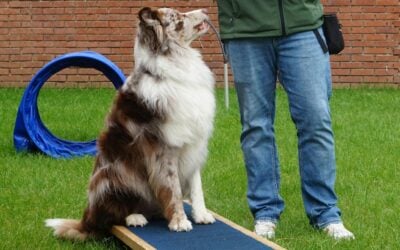
The Key Advantages of In-Home Dog Training

Choosing the right dog training program can make all the difference in your pet’s behavior, happiness, and long-term success. In-home dog training offers a tailored approach that considers your dog’s environment, behavior patterns, and unique personality—all within the comfort of your own home.
This personalized approach means that training is not just about obedience—it’s about truly understanding your dog’s communication style, emotional triggers, and natural instincts. Whether you’re working on leash manners, housebreaking, or complex behavior modification, in-home training gives you a chance to reinforce skills in the places your dog lives and interacts every day, making it ideal for families searching for in home training or puppy training in my area. That’s not something group classes can easily replicate.
Why In-Home Dog Training Beats Group Classes
Group classes may work for some dogs, but they often struggle to address the full scope of pet behavior challenges—especially when it comes to aggression, fear, separation anxiety in dogs, or housebreaking issues.
In-home training offers a more targeted, individualized experience, allowing the trainer to observe your dog in their everyday environment, identify unique triggers, and adjust the training plan accordingly.
Let’s break down the pros and cons:
Pros of In-Home Dog Training:
- One-on-one attention from a professional trainer
- Real-time behavior observation in your dog’s natural environment
- Flexible scheduling and location convenience
- More effective communication between dog and owner
- Easier customization for dogs with special needs or anxiety
Cons of In-Home Dog Training:
- May have a higher upfront cost compared to group classes
- Limited opportunities for built-in socialization (though this can be addressed with trainer-led outings)
Pros of Group Classes:
- Lower cost per session
- Built-in opportunities for dog-to-dog interaction
- Exposure to a stimulating environment
Cons of Group Classes:
- Less individual attention
- Harder to address complex behavior issues
- Potentially overstimulating or stressful for anxious dogs
- Set pace and curriculum may not fit your dog’s learning style
When choosing between training programs, it’s important to weigh your dog’s temperament, your goals, and the behaviors you need to address. For pet parents looking to solve specific challenges with maximum results, in-home dog training often delivers the highest return on both time and investment.
The Convenience of In-Home Dog Training
Forget the stress of loading your anxious beagle into the car or battling traffic. In-home dog training near you means no driving, flexible scheduling, and lessons designed around your lifestyle. Whether you’re looking for in-home puppy training near me or private sessions for an adult golden retriever, the convenience is unmatched.
In-Home Dog Training Reduces Stress for Both Dog and Owner
Training in a familiar setting eliminates the added stress of unfamiliar smells, sounds, and animals. This is especially helpful for therapy dog candidates or pets with high prey drive, like a terrier or border collie. Your dog can stay focused, and you can feel more relaxed, leading to better results.

Better Results Through Personalized Attention
No two dogs are the same—and neither are their training needs. In-home training lets the dog trainer customize the program to match your pet’s behavior, age, energy level, and learning style. This level of personalization helps build a stronger connection between you and your dog because the training reflects your household dynamics, your lifestyle, and your goals.
It also allows for real-time feedback and immediate adjustments, giving you confidence in every step of your dog’s progress. When training is done in your home, you’re not just checking a box—you’re building trust, skills, and lasting communication with your canine companion.
Why In-Home Training Is More Effective
Group classes move at a set pace, often leaving some dogs behind or forcing others to wait. This can be frustrating for both the pet and the owner, especially when trying to address issues that need individualized attention.
Private in-home dog training, on the other hand, progresses at your dog’s speed, ensuring a comfortable learning environment and a stronger sense of confidence for your pet. It also allows the trainer to pause and revisit any commands or behaviors as needed without holding up a class or skipping ahead prematurely.
Here are just a few reasons why in-home training often leads to faster and more reliable behavior change:
- Customized Pacing: Sessions move forward only when your dog is ready.
- Focused Attention: The trainer is there solely for your dog, with no distractions from other pets.
- Stress-Free Environment: Familiar surroundings reduce fear and overstimulation.
- Immediate Reinforcement: You and your trainer can address problem behaviors on the spot, in real-life scenarios.
- Flexibility: You can schedule sessions around your dog’s most alert and receptive times of day.
All of this leads to better retention, less stress, and a stronger bond between you and your dog.
How In-Home Dog Training Boosts Focus and Results
In-home sessions eliminate the distractions of a group setting. With reinforcement delivered at just the right time, dogs gain clarity and confidence. They learn to listen and respond more quickly, building trust and communication.
At Redeeming Dogs, we’ve seen firsthand how this focused environment leads to rapid breakthroughs, especially for dogs struggling with behaviors like reactivity, leash pulling, or attention issues. When your dog isn’t overwhelmed by other dogs or chaotic environments, they can fully engage in learning and build a stronger bond with you. This isn’t just about training obedience—it’s about setting up a calm, connected partnership between you and your pet that lasts a lifetime.
Tailored Training: Why Cookie-Cutter Group Classes Fall Short
While group classes may cover obedience basics, they can’t adapt to your dog’s specific behavioral needs. Each dog has unique triggers, personality traits, and home environments that impact behavior, and a one-size-fits-all curriculum can’t keep up with those nuances.
A customized in-home training program can address issues like crate training struggles, fear-based responses, prey drive, housebreaking setbacks, or aggression at the source—right where the behavior happens.
To better understand the difference, here’s a quick breakdown:
| Behavioral Issue | In-Home Dog Training Approach | Group Class Limitation |
|---|---|---|
| Crate training resistance | Adjusts crate placement, schedule, and approach in real time | General tips without specific context |
| Fear-based barking or hiding | Gradual desensitization in a safe, familiar space | Overstimulating group settings may increase fear |
| Aggression toward visitors or pets | Training with real-life exposure scenarios in the home | Controlled environment limits real-world correction |
| Jumping or bolting at the door | Immediate practice with family routines | Simulated exercises may not mimic home reality |
| Separation anxiety | Observes pre-departure cues and tailors desensitization | Rarely addressed in a class setting |
This tailored approach ensures you’re not just learning what to do—but also how and when to do it in your real-world routines. Redeeming Dogs’ trainers take the time to evaluate your specific environment, identify key challenges, and provide practical, science-backed solutions that group classes simply can’t offer.
In-Home Dog Training vs Group Classes
| Feature | In-Home Dog Training | Group Classes |
|---|---|---|
| Customization | Tailored to your dog’s needs | Standardized approach |
| Environment | Familiar and less stressful | New, potentially distracting |
| Trainer Attention | One-on-one | Shared with several owners |
| Addressing Specific Behaviors | Real-time, real-place feedback | Limited time for individual help |
| Convenience | Trainer comes to you | Travel required |
Practical Benefits of Home-Based Training
Beyond behavior correction, in-home dog training makes everyday life easier and more enjoyable for both you and your dog. From morning routines to evening wind-downs, the skills your dog learns during in-home training sessions can be applied throughout the day, improving your bond and reducing everyday stress.
Whether it’s calmly walking on a leash, responding to commands during mealtime, or settling down when guests arrive, these daily improvements can dramatically increase the peace and flow of your household. It’s not just about obedience—it’s about creating a well-balanced life for both you and your pet, rooted in mutual understanding, respect, and clear communication.
Use Real-Life Scenarios to Reinforce Commands at Home
Whether your dog barks at the doorbell or bolts at the sight of a squirrel, training at home means learning in the very places those behaviors happen. This approach increases the real-world reliability of commands because it connects the learning environment with the context in which the behavior naturally occurs. Rather than practicing commands in a sterile classroom setting, your dog gets to rehearse and reinforce skills in the living room, the front yard, or during neighborhood walks—places where real distractions exist.
At Redeeming Dogs, we emphasize this strategy because it leads to faster learning and long-term results. When a dog learns to stay calm when the actual doorbell rings or ignore a squirrel in their usual walking route, the behavior becomes meaningful and dependable. This kind of situational learning helps ensure your dog can respond with confidence and composure no matter the environment.
Building Daily Routines That Support Dog Training
Dogs thrive on routine. In-home training helps you build consistency through structured feeding times, play, crate training, and leash walks—all of which can support behavior modification and obedience.
Sample Daily Training Schedule for Puppies
| Time | Activity | Purpose |
|---|---|---|
| 7:00 AM | Crate break + leash walk | Exercise & housebreaking |
| 8:00 AM | Feeding & short training session | Reinforcement & communication |
| 12:00 PM | Midday potty + training | Socialization & behavior cues |
| 5:00 PM | Structured walk or playtime | Exercise & impulse control |
| 8:00 PM | Evening routine & crate time | Relaxation & behavior cues |
Essential Tools for In-Home Dog Training Success
You don’t need fancy gadgets to succeed. A few trusted tools can make a big difference:
- Clicker: For marking behaviors
- High-value treats: For motivation
- Leash and harness: For control and safety
- Crate: For structure and housebreaking
- Interactive toys: For enrichment and attention
Replacing Socialization from Group Classes
A common concern about skipping group classes is missing out on socialization. Fortunately, in-home dog training includes thoughtful, real-world solutions for that too. At Redeeming Dogs, we work closely with owners to create socialization opportunities that are just as effective, and often more tailored, than what you’d find in a classroom.
Instead of chaotic group dynamics, your dog can build confidence through structured neighborhood walks, visits to pet-friendly stores, or planned one-on-one playdates with well-behaved dogs. These experiences provide real-world exposure to sounds, smells, and interactions while allowing the trainer to guide your dog through new environments without overwhelm.
For dogs that are shy, reactive, or overly energetic, this slower, more intentional exposure creates stronger, more lasting social skills than the unpredictable setting of a class ever could.
Why Socialization Still Works With In-Home Training
Your trainer can guide you through safe, structured outings like walks in the neighborhood, visits to pet-friendly stores, or planned dog playdates. These activities offer real-life socialization, without the chaos of a class.
Addressing Common Behavior Problems at Home
Behavior problems are best solved where they happen. In-home dog training allows for direct intervention on issues like:
- Barking at visitors or delivery drivers
- Jumping on furniture or guests
- Separation anxiety when left alone
- Fear of household noises or new objects
With the trainer observing in your home, they can offer more relevant and effective solutions.
If you’re looking for expert dog training that meets your dog where they are—literally—Redeeming Dogs offers in-home dog training solutions that are personalized, convenient, and effective, including options for in home dog training near me, dog training in my area, and private in home dog training programs that adapt to your household. Whether you’re raising a rambunctious puppy, managing behavioral challenges, or preparing your pet to become a service dog or therapy dog, we’re here to help, looking for in home puppy training or in home puppy training near me, or needing help with separation anxiety or aggression.
Visit RedeemingDogs.com for training class rates, online scheduling, or to contact a professional trainer near you, including inquiries about dog training in home, dog training in home near me, or dog trainer near me in home. Let us help you unlock your dog’s full potential, whether you’re comparing in home dog training prices or simply looking for dog training in your home that works with your lifestyle and goals.